Posted on October 6, 2011 in Water gardens by adminNo Comments »

water-gardenGardening is one of our primordial fascinations. For thousands of years humans have gardened and for most of that time a major part of our diet came out of our gardens. As we became better at feeding ourselves, we also gained the time to indulge in activities that weren’t directly linked to our very survival. Flowers, ornamental shrubs, decorative trees all became a part of gardening for beauty and pleasure.

Water is a source of life. We are actually composed of 50 to 70 percent water and without water we can die in hours or a few days – far faster than from lack of food. Throughout history, water has been a necessity, even a source of warfare. We find comfort in sights and sounds associated with water, whether the source is the sea, a lake, river, stream or pond. I believe that the sense of comfort and relaxation most of us feel around water is deeply embedded in our being.

Water gardens of various kinds have a long history. From elaborate fountains with statuary to the simplest aquarium (yes, I include aquariums as a form of water garden despite the usual focus on the critters rather than the overall concept), water gardening is an ancient activity.

Currently, water gardening is considered a new trend for some reason. I’d guess this has to do partly with advances in technology, the widening availability of pre-constructed ponds and pumping systems, a growing awareness of the alternative forms gardens can take, and the fact that presenting something as new and trendy often improves sales.

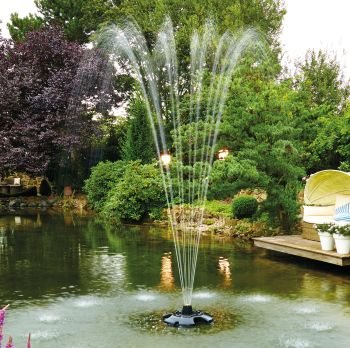
Water gardening can be done using waterfalls and streams, ponds, fountains, and containers of various kinds some of which are as simple as a small indoor fountain with a recycling pump. The variety goes on and on and most can be further enhanced through using rock work combinations, various types of lighting both above and below the water surface (or behind a waterfall), plants, and, of course, fish or other water dwellers.

Water gardening doesn’t require a pond or natural water source either. It can consist of just a plastic tub, basically anything that can hold water. Many garden supply outlets can provide anything from the most basic setup to incredibly sophisticated water gardens consisting of waterfalls, pools and streams (with or without bridges).

The very first thing to consider is your budget since that will place some limits on how ambitious a project you can undertake. Water gardening can get expensive if you decide on a big garden full of plants, rocks, fish, and lights. Next you need to consider how much space you have available for a water garden. You probably won’t want a 15 foot waterfall with a 200 foot stream and a half acre pond in a suburban backyard. Be reasonable in what you choose as a first project, but also keep in mind the possibility of extending your water garden later. Size also affects the amount of maintenance your water garden will require.
If you plan to include fish and plants, you’ll want to choose a location with sufficient direct sunlight. Remember that if the garden is located close to trees and bushes, leaves and debris will end up in the water and need to be cleaned out regularly.

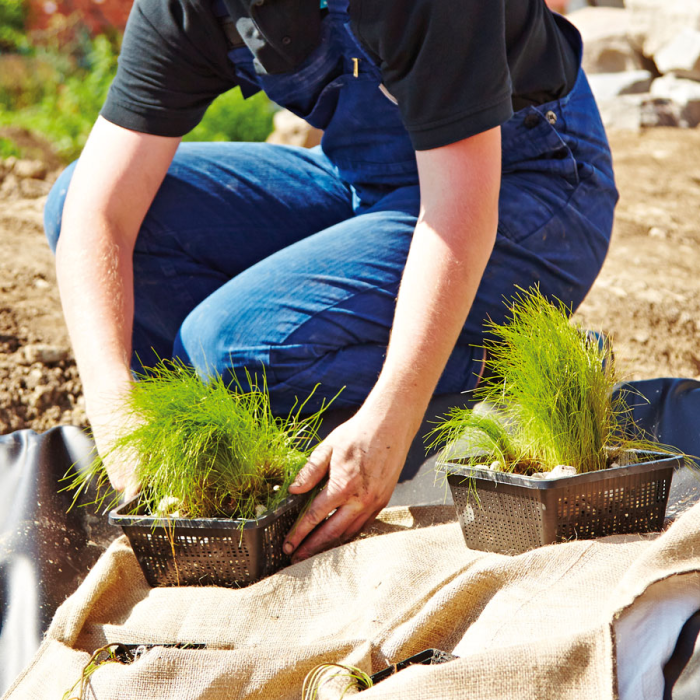
When you choose aquatic plants, don’t forget that the plants should, at most, cover about half of the water. Plants can be free floating, submerged, or marginal (near or at the edges). The types you choose are up to you. Some may be good for their scent, some are simply beautiful, and some plants provide more oxygen than others which helps keep the pool healthy. As well as being pleasant to watch, fish will assist in keeping debris to a minimum and in insect control.
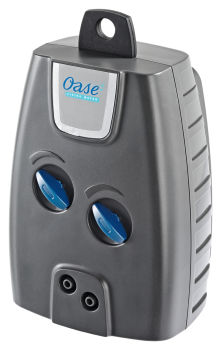
Algae can be a major difficulty in water gardening. Most frequently, the problem results from having too many nutrients in the water either from fish food or plant fertilizer. Proper construction, feeding and fertilizing will keep algae to a minimum. Chemicals can be used to reduce algae but they can also kill fish and plants.

Like everything else, garden pools need to be maintained throughout the year. And it really doesn’t matter what size they are, even small ones will need care. However, with proper planning you can balance the living and decorative features of a water garden both to simplify and minimize your maintenance tasks.

You can eliminate algae through reducing the nutrients that cause algal growth by cutting back on feeding and fertilizing, adding more plants, putting in a filter system, or replacing existing water with fresh water. Chemicals are generally not recommended since overuse can kill.

An intriguing new method of algae control is through the use of ultrasonic waves. The use of ultrasound to destroy algae can be traced back to the early experiments with sonar for detecting submarines when it was discovered that some micro organisms were destroyed by ultrasonic waves. Transducers developed to control algae will not harm humans, animals, fish or aquatic plants. (They can also be used for swimming pools).

If your garden lacks a natural continuous water supply, you have a situation much like an aquarium. You will need to monitor both water quality and water level. Keep in mind that in many locations, tap water contains chlorine and a large amount should not be directly added to water containing fish (and some plants). Allowing tap water to stand in an open container for at least 24 hours will normally eliminate the problem. Closed systems will require added water as the surface water evaporates. A large water garden that relies on tap water and which contains fish and plants, should probably have small quantities of water added daily. For water gardens without circulating, aerated, or filtered water, maintaining water quality may be more difficult.

Still, water gardening really doesn’t take any more time than regular gardening and could well take less time once you have it set up and have your maintenance tasks well organized. It is different, however, so while you may not be able to grow anything but weeds in dirt, you might be superb at water gardening. As a hobby and a way to beautify your landscape, water gardening is excellent. And there’s nothing quite like the sound and sight of water to calm and relax you after the stresses of modern life.

Posted on October 6, 2011 in Water gardens by adminNo Comments »

water-gardenIf you decide to put water plants in your pool or water garden, make sure you consider their special needs. Choosing the wrong kind of water plants would ruin the beauty of your water garden and render it useless. On the other hands, choosing the right kind of water plans add special color, shape, and texture to a pond. There are four basic types of water plants: floating, oxygenating, marginal, and, bog or border.

Floating plants are the kind of plants that have their roots in the soils and their leaves floating the surface. Examples of floating plants are water lilies and lotuses. Water lettuce is a floating water plant – however, its roots flow in water as well. Floating plants keeps your water feature healthy by not leaving any space for the competing algae.

Oxygenating plants are submerged below the pool’s surface. They usually don’t bloom and can’t be seen. Despite their lack of visible presence, they make important water plants. The reason they are important for balance of the water feature is because they take up carbon dioxide and provide oxygen to other plants and fish during the daylight hours. They make perfect habitat for small fishes and other aquatic denizens. Examples of oxgenators include fanwort, pondweed, and eel grass.

Marginal plants are what their name suggests. They are best around the water features margins. They grow well in shallow water. Two classic examples of marginal plants are Japanese iris and the arrowhead. They typically prefer water that is 1 to 6 inches deep. These type of plants provide perfect transition from water feature to the landscape.

Also consider supplementing your pond with a bog garden. A bog garden is a small garden that is filled with plants and vegetation that thrive on constantly moist soil. They lend a natural appearance to the water feature by camouflaging its edges. Yellow irises or a beautiful papyrus are couple of examples of beautiful and bright moisture loving plants.

Given that most of the plants require atleast 4 to 6 hours of sunlight on a given day, it is important to choose a planting location that has direct exposure to sun. It is helpful to choose a water garden in such a way that they are close to the pools edge.

Planting beautiful water plants in your water garden add vitality and life to your garden. When choosing water plants, the most important criteria is to pick them in such a way that they blend in naturally and create a graceful link between your water feature and the landscape.

Posted on October 6, 2011 in Water gardens by adminNo Comments »

water-gardenWater adds more than life to a garden, it also adds atmosphere. The peaceful, soothing sound of water trickling over rocks or out of a fountain; the myriad of reflections from clouds and other plants makes for a magic experience.

The decision to build a water garden should not be taken lightly. There is a lot of planning required to make sure that your water garden ideas will truly turn out to be what you want.

The first things to consider are where you want the garden to be and does it fulfil these basic requirements:

  • Does it get good sunlight?
  • Is the ground reasonably level?
  • Is the area open enough so that you will be able to enjoy the pond?
  • Will it be too close to large trees and shrubs that will shed leaves and tress into the pond water?
  • Are there any power lines, phone lines, gas pipes or water pipes that might be at risk if you dig in that particular spot?
  • Will you want to add fish to the pond?

Of-course water features don’t have to be dug into the ground. You could make an above ground pond. These can be made from all sorts of things from small terracotta pots to half wine barrels right up to purpose built ponds. Generally above ground water gardens are placed where people can readily see them, like on a patio or deck or against a fence or wall. It is a good idea to incorporate a wide lip around the pond for sitting on so that its contents can be readily admired.

  1. The beauty of an in ground water garden, however, is that they look more natural. Things to remember when designing your inground water garden feature are these:
  2. Don’t make the lip of the pond level with the ground. Raise it up about an inch. Hide the edge from view by using edging materials like rocks and pebbles and low growing plants and creepers.
  3. Grade the surrounding ground away from the water feature. This will encourage any run off to head away from your pond rather than into it.
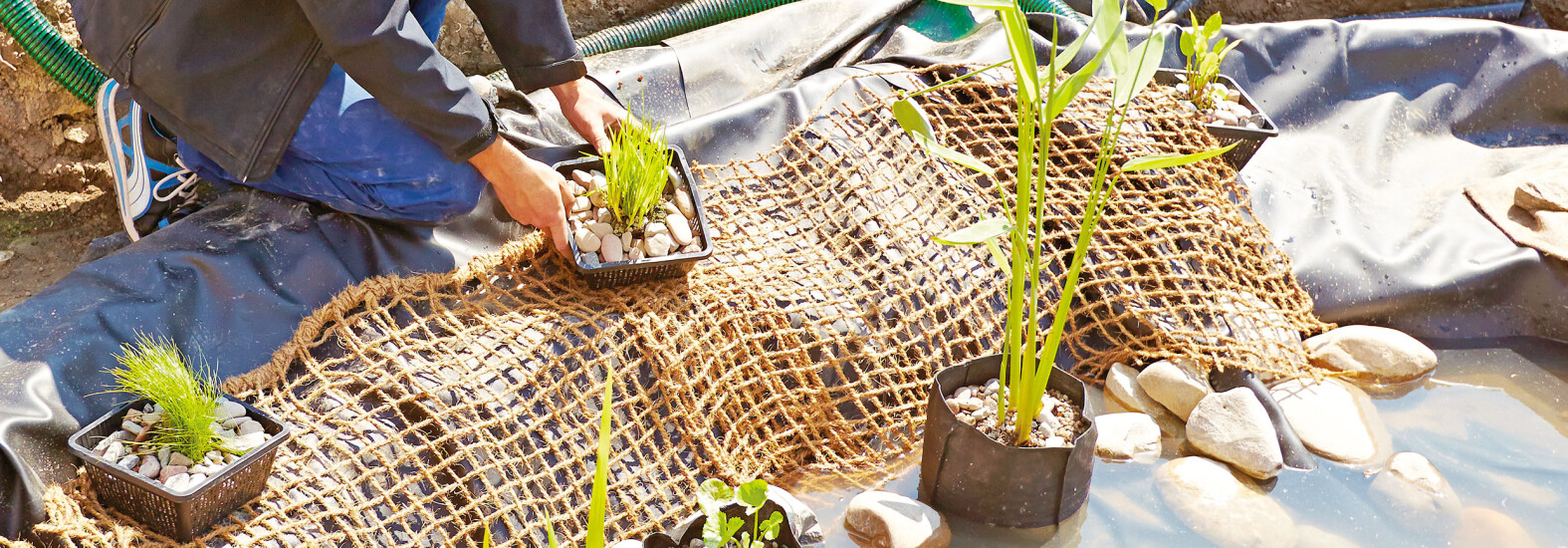
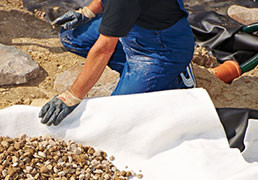
  4. Don’t skimp on the quality of the pool liner. Soil is porous and if you don’t use a liner you will be continually topping up your pool plus possibly causing damage to the surrounding area. A pool liner will prevent this. There are two main choices in the type of liner, flexible or hard shell. The flexible liner allows you to define the shape of your water feature. These are usually made of a durable heavy duty plastic or rubber compound. Hard shell liners are preformed into shapes like kidney or oval to name two. They often have spillway slots so you can run one pool into another and create a waterfall or stream effect. They are also longer lasting than flexible liners and less likely to e punctured.

Once you have your pool design in mind and have decided on the lining, you can then consider the many additions like pumps, fountains, plants and fish. But before you do this, do your homework on these preliminary items and you will be well on the way to building a stunning water feature.

Posted on October 6, 2011 in Water gardens by adminNo Comments »

water-gardenEnjoy the wildlife and plant life of the outdoors right outside your own front door, patio, and / or backyard. If you want to begin such a project, a garden pond is the very best way to start. All kinds of wildlife require water to live . . . and thousands of kinds of wildlife (both plants as well as animals) will thrive in a well-designed garden and / or backyard pond habitat. You will be surprised when you see how impressive your own backyard and / or garden can be when you design a backyard habitat pond. Relax and unwind in the beautiful ambiance surrounding your house, you will love it.

If you have an outdoor habitat you will attract birds, small animals, you can put fish in an outdoor pond, or you can wait for the natural aquatic life that will also likely develop in a backyard habitat. Beautiful birds will bathe in and drink from your garden pond, as well as frogs, water snakes and, of course, certain insects will all be attracted to a water source. The majority of water snakes that you can build a home for in your backyard are not poisonous. These water snakes belong to the genus called “Natrix” and are always completely harmless. The markings on many snakes are alluring, but can be deceiving – on some occasions you might catch a water moccasin or cottonmouth trespassing on your non-venomous garden habitat. If you are at all concerned about the snakes in your backyard, find out what to look for. Get a book with photographs of all different kinds of birds you may see in your garden, as well as one that is clear on snake (and other reptile) identification. It will be fun!

Your pond may be a perfect place for reptiles such as turtles, toads and salamanders may be attracted to your garden pond. Toads and salamanders could find your garden habitat to be the very best place for reproduction. Especially if you live closer to a body of water, your pond may be a wonderful habitat. Growing up nearby, a family of quail, frogs or turtles may just migrate a bit and set up their new home in your yard. If you are a biologist or a naturalist, you may be interested in this fact: In addition to larger inhabitants, your garden pond and / or backyard habitat will certainly produce a myriad of other, significantly smaller invertebrates and aquatic insects.

Be aware, as well that the more brightly colored fish in your garden or backyard pond, the more luring they will be to predators. However, if they are less colorful and are more camouflaged, your fish will last and last. And your backyard habitat will thrive with even more life. There are different kinds of places recommended for different kinds of ponds, sunlight, shade, size, depth and many other factors will effect your backyard habitat.

There are a few different kinds of ponds to choose from. Water table ponds, preformed ponds, cement ponds, lined ponds, and more, are all different kinds of ponds available for you. However, if you before you begin designing and / or constructing your pond, there are many things to consider. The current landscaping of your home outdoors, and specifically the amount of space with which you have to work is something very important to consider.

There are, of course, also environmental concerns. For example: the humidity of the place you live: i.e. how moist or dry the air will be will have an effect on the water in your garden or yard. Some ponds, especially more shallow ones, can dry up quite easily if you are not careful. There are some especially dry places that have deed restrictions which will prohibit someone from designing and / or having a pond in his or her backyard.

Water table ponds are popular among many people. When your water table is close to the ground surface, you may very well have a naturally occurring pond. Of course, because of the aforementioned environmental considerations, the amount of water in a water table pond will reduce and increase depending on the dryness of the air. A water table pond can dry-up completely during periods of drought. There are many variables that will help you decide if a water table pond is what you want.

If you live in a place where your pond is dry land during part of the year, of course, your pond will not attract as many wildlife species, and the habitat it will only provide a haven for the wildlife temporarily. There are, unlike often naturally occurring water table ponds, also many kinds of preformed ponds available for you to choose from for your garden. An outdoor pond habitat can be any size or depth, if supplying a water source is your objective, you do not necessarily have to have a large pond. The dimensions are up to you and your specific goals for the outdoor habitat itself.

Everything from deep water ponds, to shallow water ponds, to reflecting pools, to luxurious cascading waterfalls, and many more aquatic outdoor attractions are all very inviting for certain kinds of birds, plant life, and other animals. There are garden ponds that you can create which will provide an incredible habitat for your backyard – perfect for you to enjoy the wildlife and plant life of the outdoors right outside your own house. You can custom design a pond and use cement, lining, and whatever kind of filtration system is the very best for your particular landscaping situation.

Posted on October 6, 2011 in Water gardens by adminNo Comments »

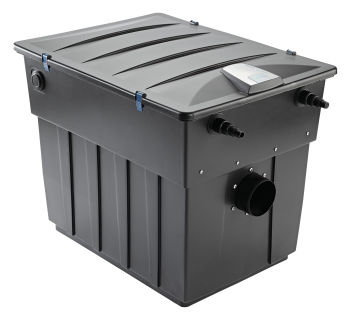
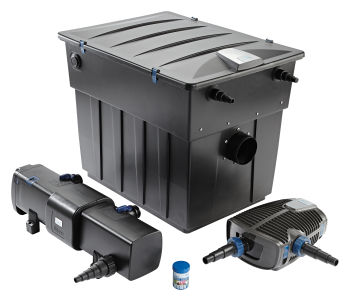
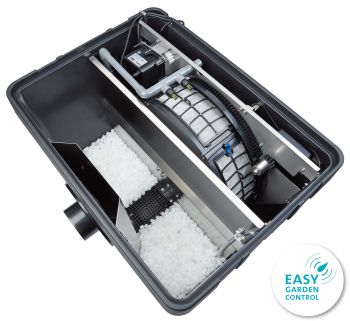
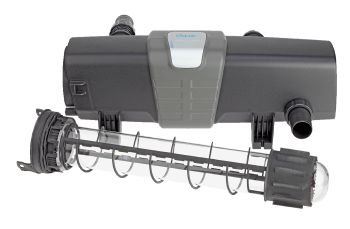
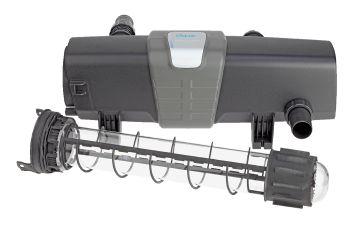
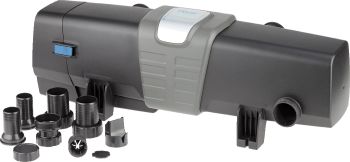
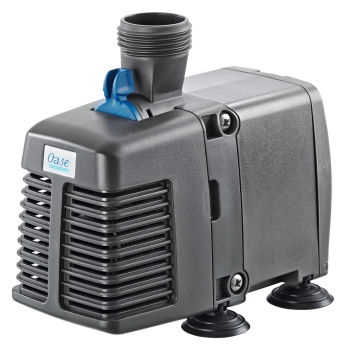
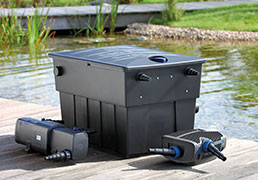
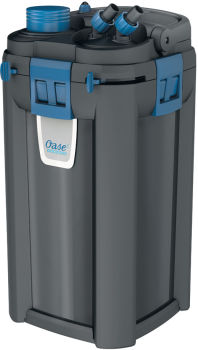
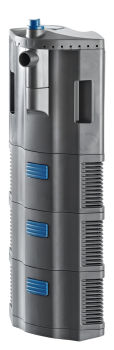
water-gardenAdding interest to your garden with a garden pond or water garden is a great idea, and one of the first things you should look at is a top-notch water garden filter system that can do the hard work for you.

Highly chlorinated water kills the microorganisms that are found it in the soil. The unfortunate part about the previous statement is that those microorganisms are there for a reason. It is their task to protect the plant and the source where it gets its food.

This is the very reason why home gardeners steer clear of chlorinated water. They prefer a healthier choice – cleaner water. By getting a filter system for their garden water, 85% of the chlorine from hose water is removed.

The water from garden filter systems are also beneficial for bathing dogs. Children can also have fun with the sprinkler. In fact, it can also be used to wash cars.

Water garden filter systems are necessities for gardening. You have nothing to worry about because they are completely non-toxic. Why would we suggest that this be the same water you used to your pets, children and car, if it were?

 Now, let us say that you have a man-made pond in your garden. This water garden filter system can also clean the water there. Not only will it do that, it will also protect the soil ecosystem in your pond.

Imagine the beneficial insects you could have killed if you thoroughly cleaned your man-made pond using chlorinated water. At least, with a water garden filter system, the 20,000 to 40,000 gallons of water are 100% clean.

Just like any electronic appliance, water garden filter systems can be recharged. The filters can also be replaced in due time – when it has acquired all dirt from the pond and needs to be changed.

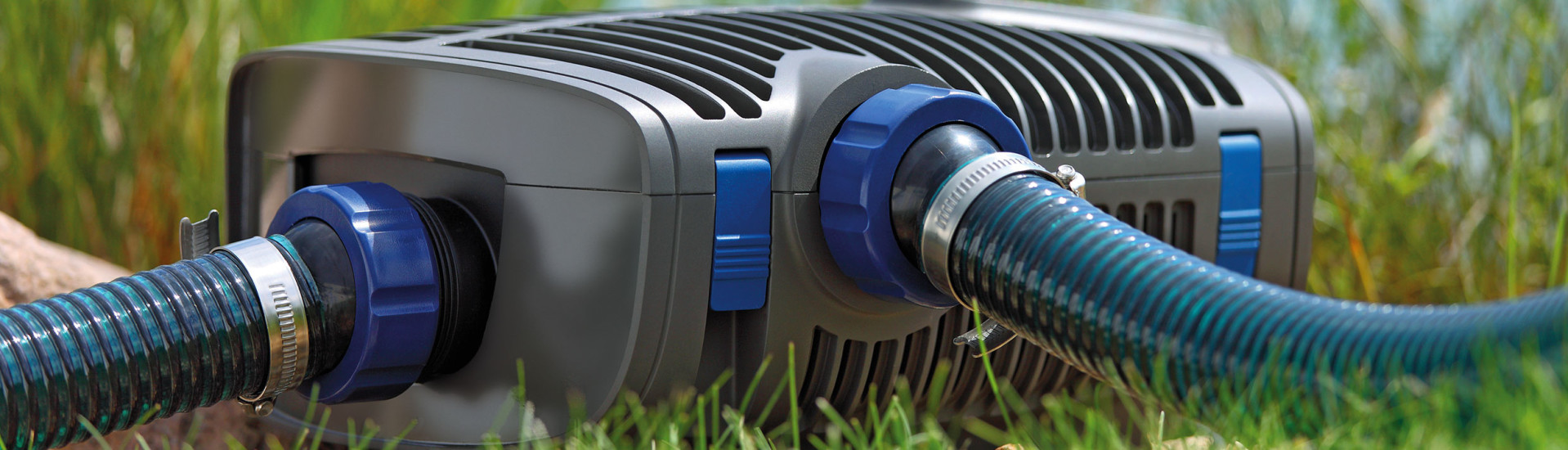
Choose a water garden filter system that comes with the hose protector. In that way, maintaining it will be a whole lot easier. There are water garden filter systems that already include a pre-filtered hose. This is to control the flow of the water better.

Most home gardeners ask why they should remain chlorine in their garden. Obviously, you would want to keep the beneficial insects in the natural ecosystem. Chlorine kills living organisms like bacteria and fungi but at the same time, it also contaminates the water source. Chlorine is harmful to your plants primarily because they depend on these organisms to stay alive.

Plants survive because they receive the nutrients they need from the soil and water. A healthy soil is composed of molds, fungi and bacteria (which chlorine is designated to kill.) Gardeners and farmers know that in order to protect their plants and the ecosystem from the pesky pests, diseases and insects is by using beneficial bacteria.

By using chlorinated water, the microorganisms that were placed in the soil to protect the plant and the plant’s food source in the first place will also be killed. Thus, horticulturists and farmers do not use chlorinated water when they irrigate their crops.

Thanks to the water garden filter system, water is dechlorinated. This is a better and healthier option because water garden filter systems clean the garden and save the beneficial bacteria through out the process.

Water garden filter systems turns chlorine into chloride that is completely harmless. This redox procedure is their basic principle on how they can assure their consumers that the water coming out of the system is totally chlorine-free.

So after watering your garden with the chlorine-free filter system, throw in a bath for our dogs. In fact their coats can become softer and finer from the brittle and dryness it had been due to sun and chlorine exposure.

You can also let your children have fun all summer long with the garden hose feature attached to your water garden filter system. They can even swim in a pool that you filled using the filter system. If you are an automobile fiend and the usual wax is not enough to give your ‘baby’ the sparkle and shine it deserves, switch to dechlorinated water that you can obtain from the water garden filter systems.

From the original purpose of providing chlorine-free water to your garden, water from filter systems has escalated to new heights.